A field guide
The weaves we love
9 traditions from across India, hundreds of years of inherited skill. Learn what makes each weave what it is — and why no two pieces are ever alike.
Bhujodi
Bhujodi village · Kutch, Gujarat
Weaves that rise from the cloth like embroidery.
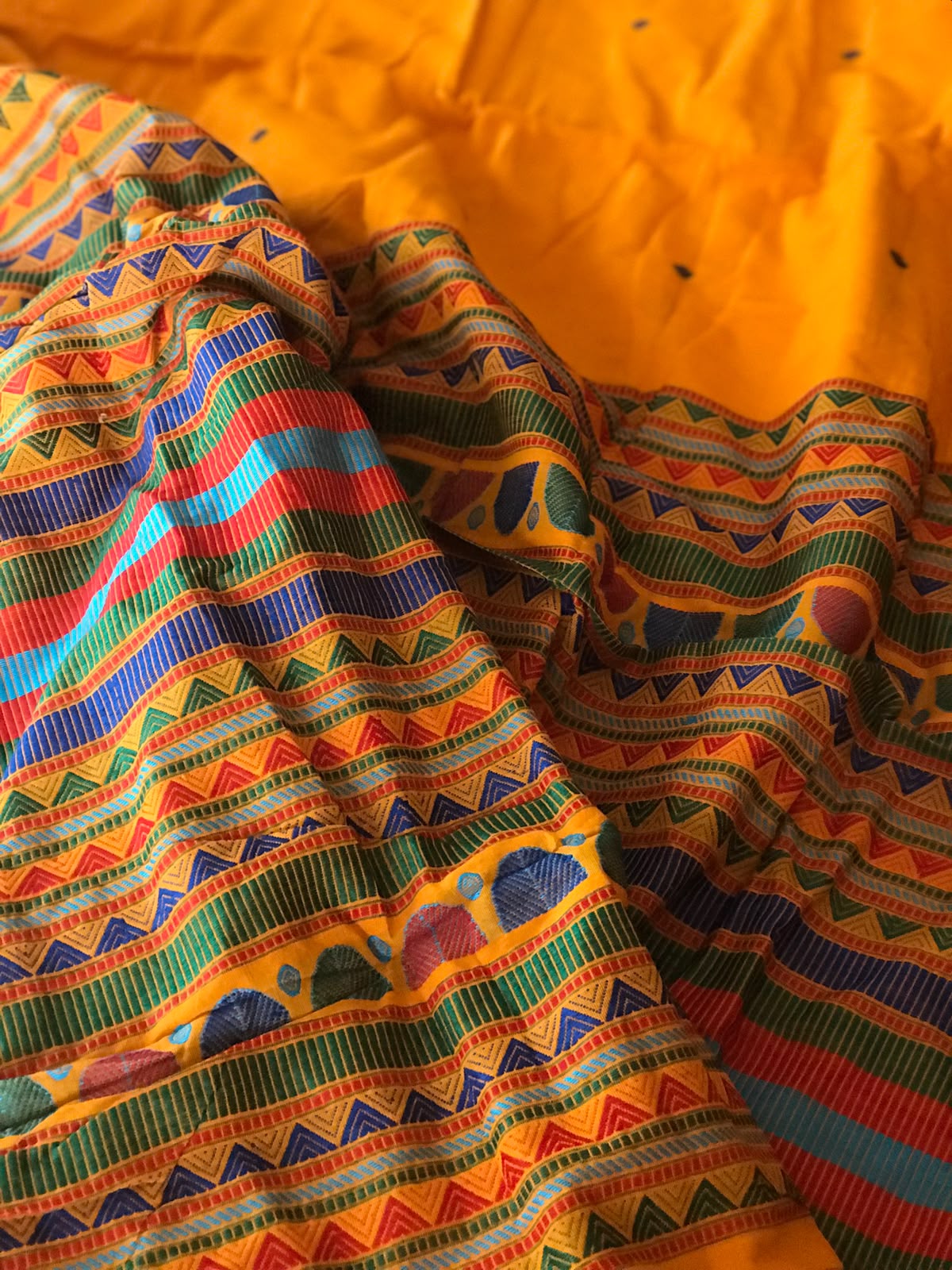
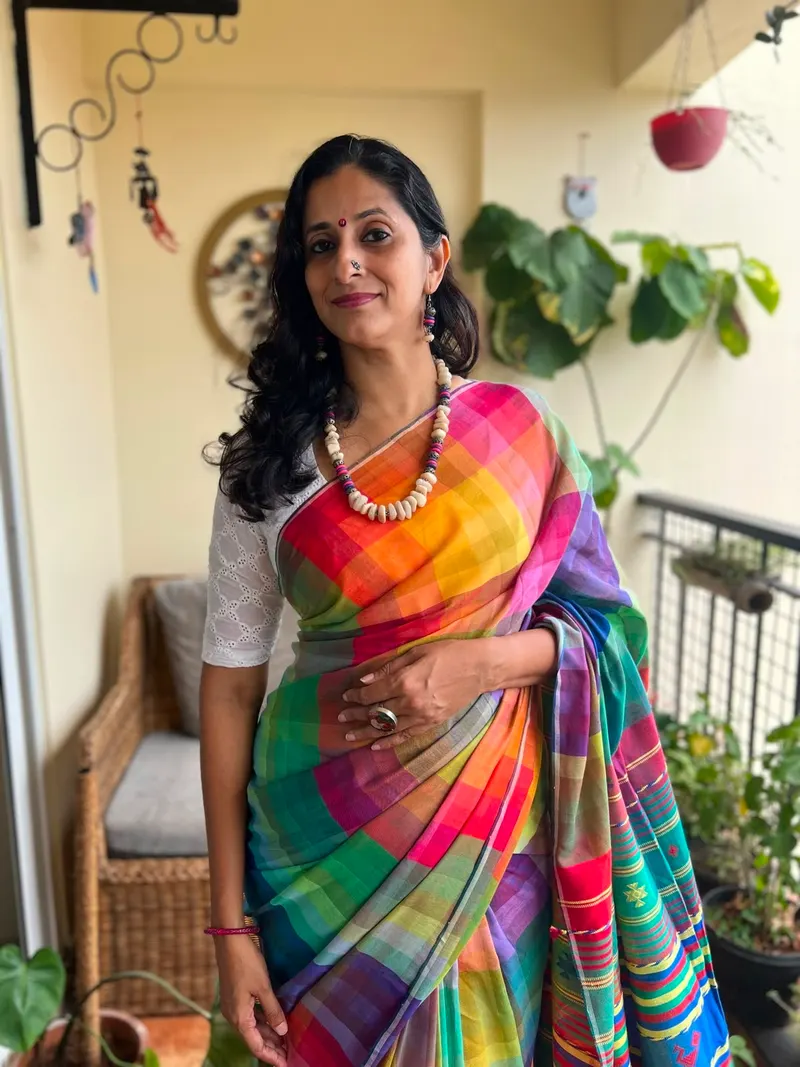
For some five hundred years, the Vankar weavers of Bhujodi have worked their pit looms, once weaving shawls for the Rabari herders of the Kutch desert. Extra-weft motifs are lifted thread by thread as the cloth grows, and tiny mirrors are stitched in by hand to catch the desert light. Look closely: the motifs sit on the fabric like relief work, not print.
- Extra-weft motifs
- Hand-stitched mirrors
- Pit looms
- ~500-year tradition
Ajrakh
Kutch, Gujarat
“Aaj rakh” — keep it today.
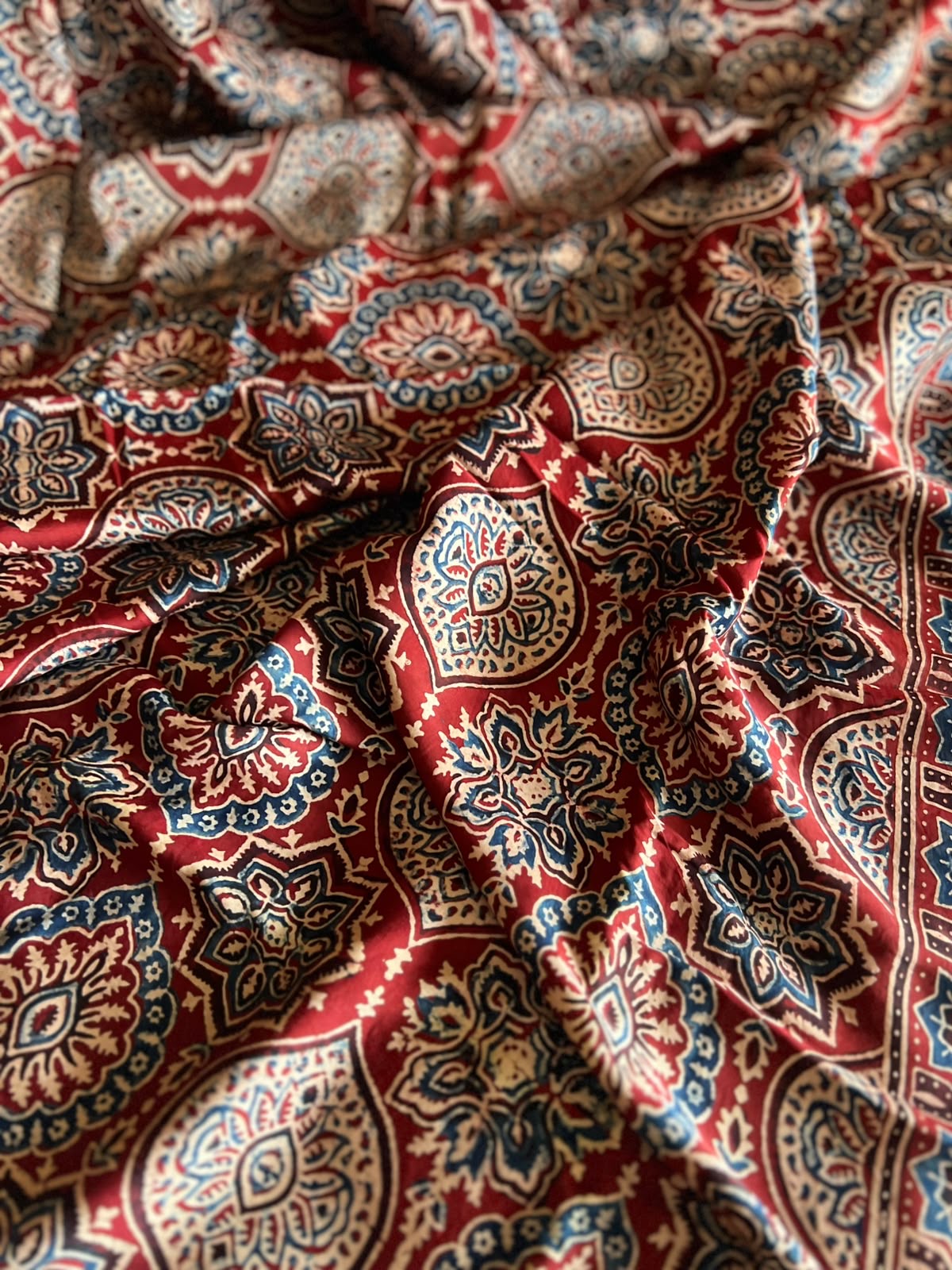
Ajrakh is not woven but resist block-printed: up to sixteen stages of washing, printing, dyeing and drying, using hand-carved wooden blocks and natural dyes — deep indigo, rich madder red. The finest pieces are printed on both sides in perfect register. Its geometry-within-geometry jaal patterns have travelled the trade routes for over four thousand years.
- 16-stage process
- Natural indigo & madder
- Hand-carved blocks
- Printed both sides
Ikat
Pochampally & coastal Andhra
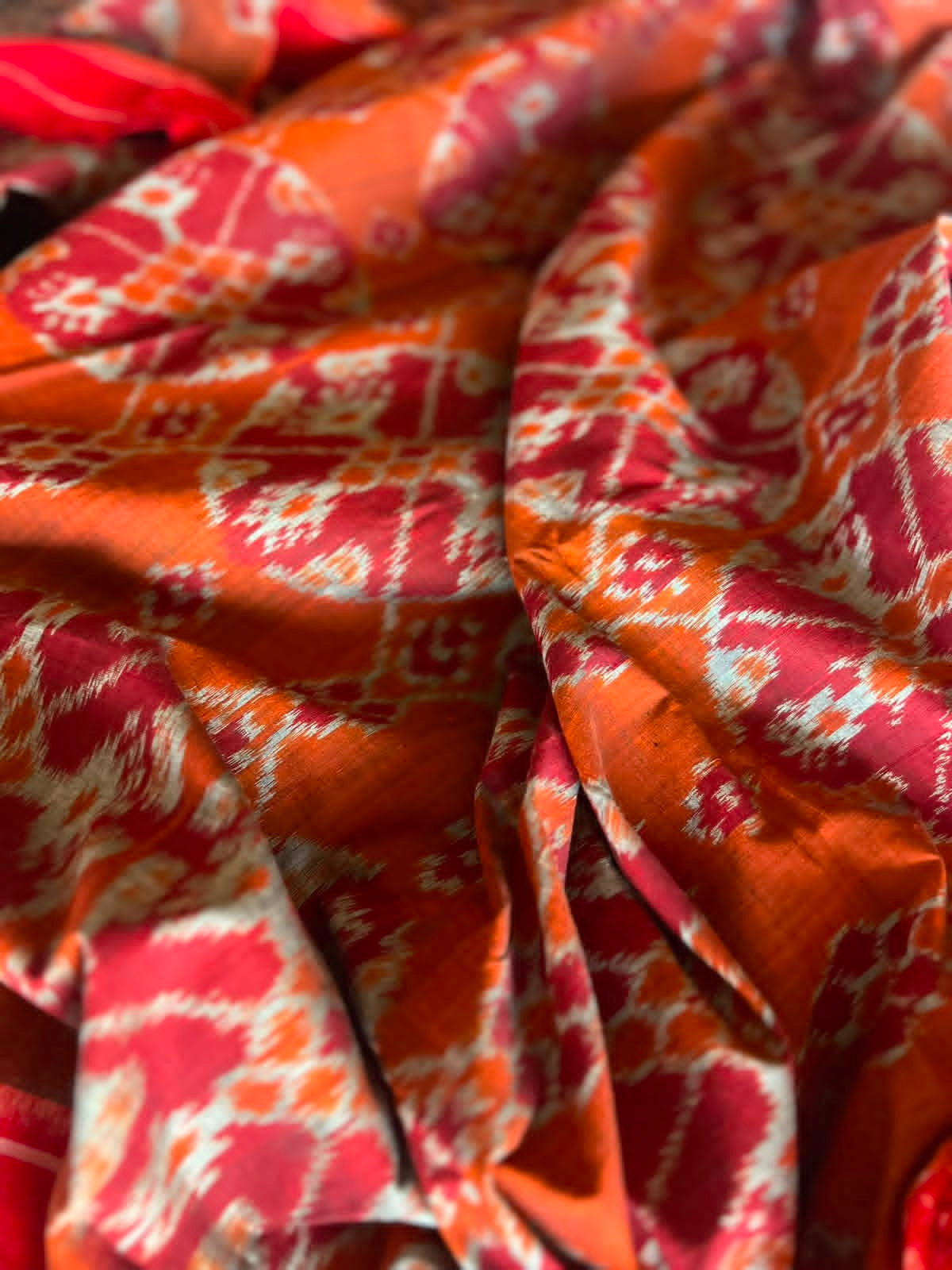
The pattern is dyed before the loom is even dressed.
In Ikat, bundles of yarn are tied and resist-dyed before weaving begins — the design exists only in the dyer’s mind until the cloth emerges on the loom. The signature is the soft, feathered edge where colours meet: a gentle blur no print can imitate. Telangana’s Pochampally and Andhra’s Telia Rumal traditions are among India’s finest.
- Yarn resist-dyed first
- Feathered edges
- Pochampally & Telia Rumal
- Double ikat masterpieces
Assam weaves
Brahmaputra valley, Assam
A loom in nearly every home.
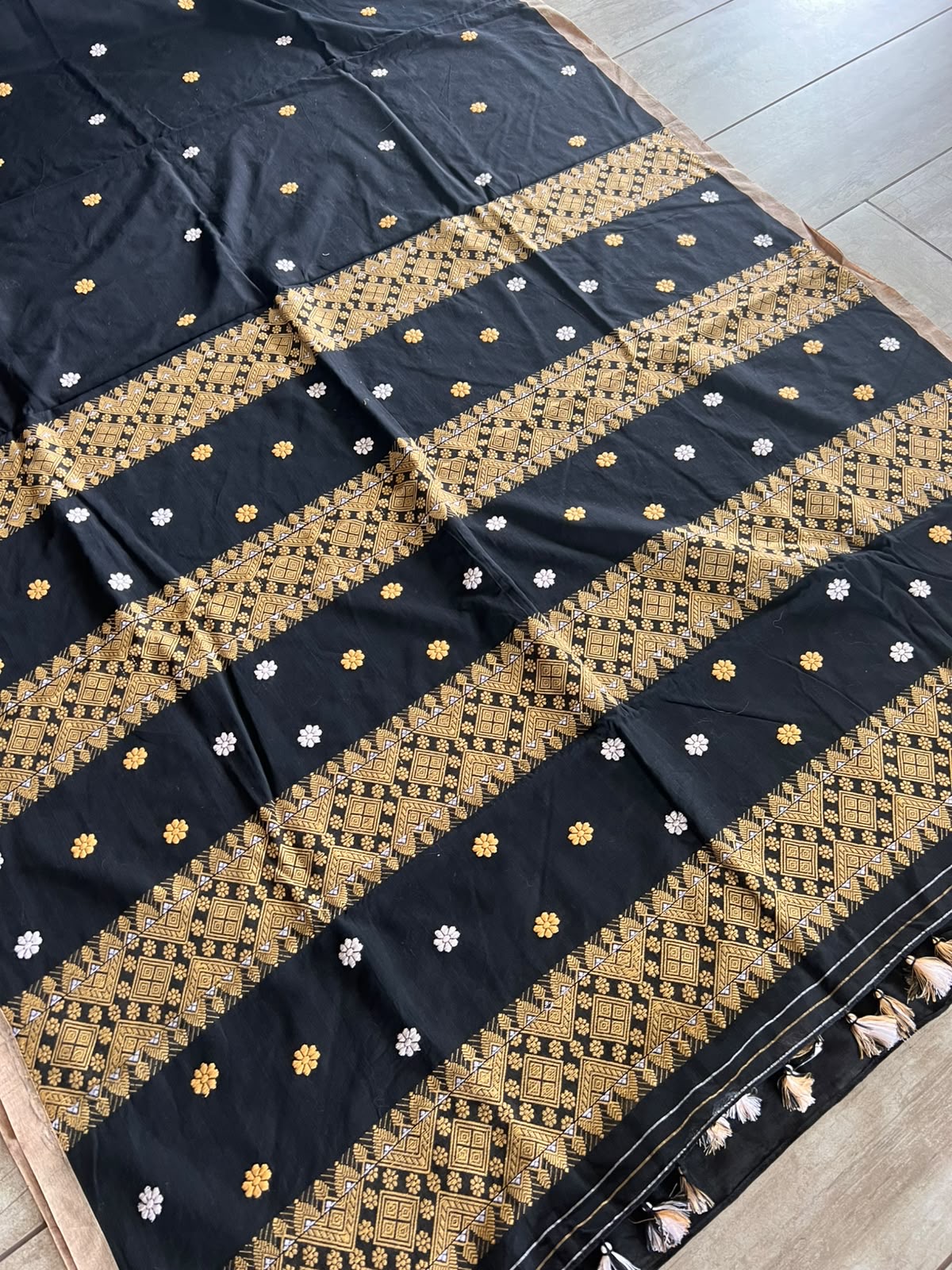
Weaving in Assam is a household art — by tradition, nearly every Assamese home has a loom. From here come Eri, the “peace silk” spun without harming the moth, and golden Muga, once reserved for Ahom royalty, a silk that grows more lustrous with every wash. Motifs of butterflies, jaapi hats and river flowers dance along the borders.
- Eri “peace silk”
- Golden Muga
- Household looms
- Butterfly & jaapi motifs
Chikankari
Lucknow, Uttar Pradesh
Shadow-work from the courts of the Nawabs.
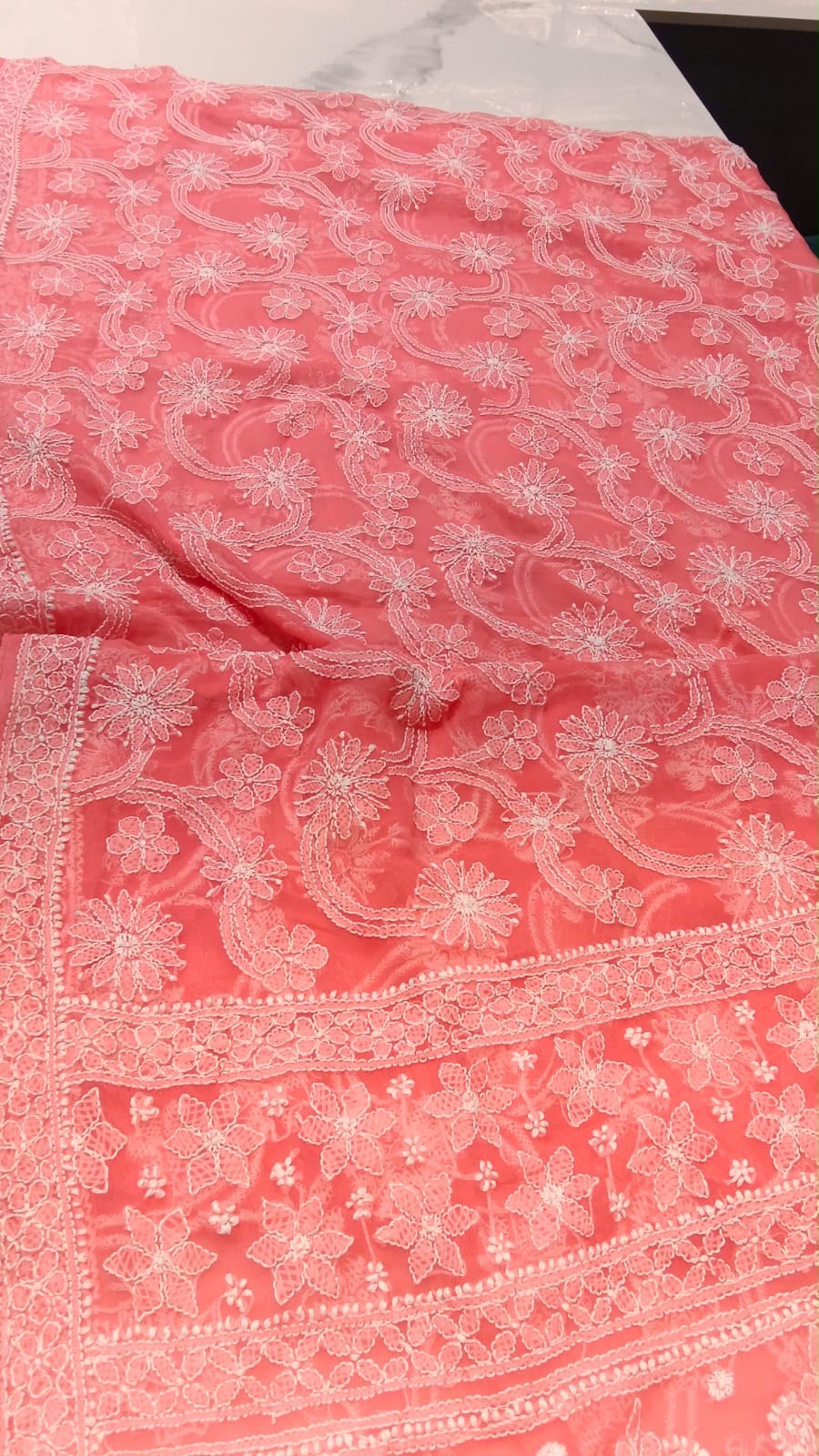
Chikankari is hand embroidery at its most refined — white thread on airy muslin, perfected in Mughal-era Lucknow. Over thirty distinct stitches, each with its own name and hand: bakhiya, the shadow stitch worked from the reverse; phanda, the tiny millet-seed knot; jaali, where threads are teased apart into net without a single cut.
- 30+ named stitches
- Shadow work (bakhiya)
- Hand-drawn jaali
- Mughal court origins
Gollabhama
Siddipet, Telangana
The milkmaid who dances along the border.
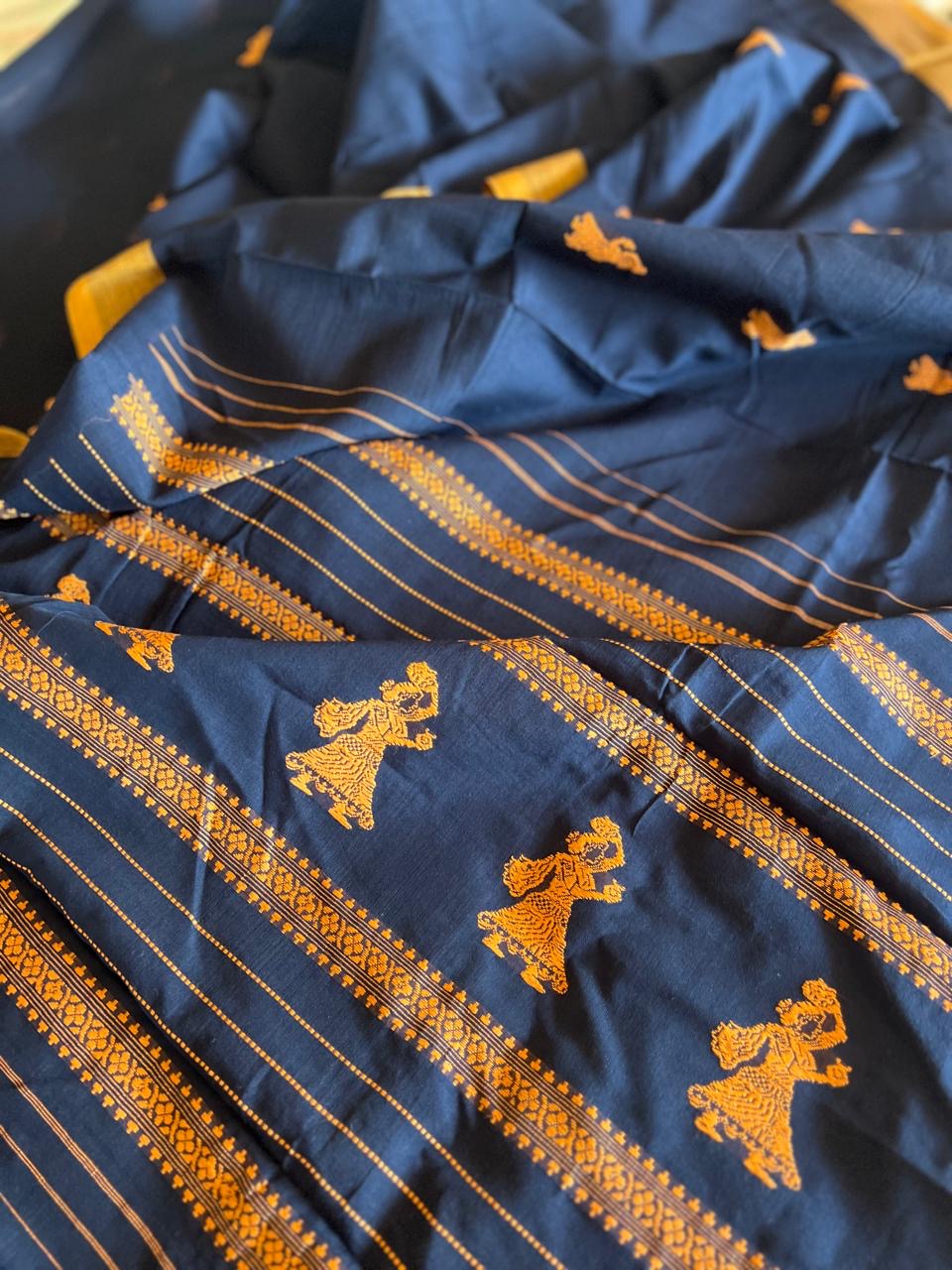
Gollabhama was the very first weave I brought to Studio Nitara. From Siddipet in Telangana, its signature is the Gollabhama herself — the milkmaid carrying her pots of milk and curd, woven as inlay figures marching along borders and pallus. Only a handful of master weavers still practise this delicate figure-work today.
- Inlay figure-work
- Milkmaid motif
- Siddipet cottons
- Nitara’s first weave
Himroo
Aurangabad, Maharashtra
The cloud-brocade of the Deccan courts.
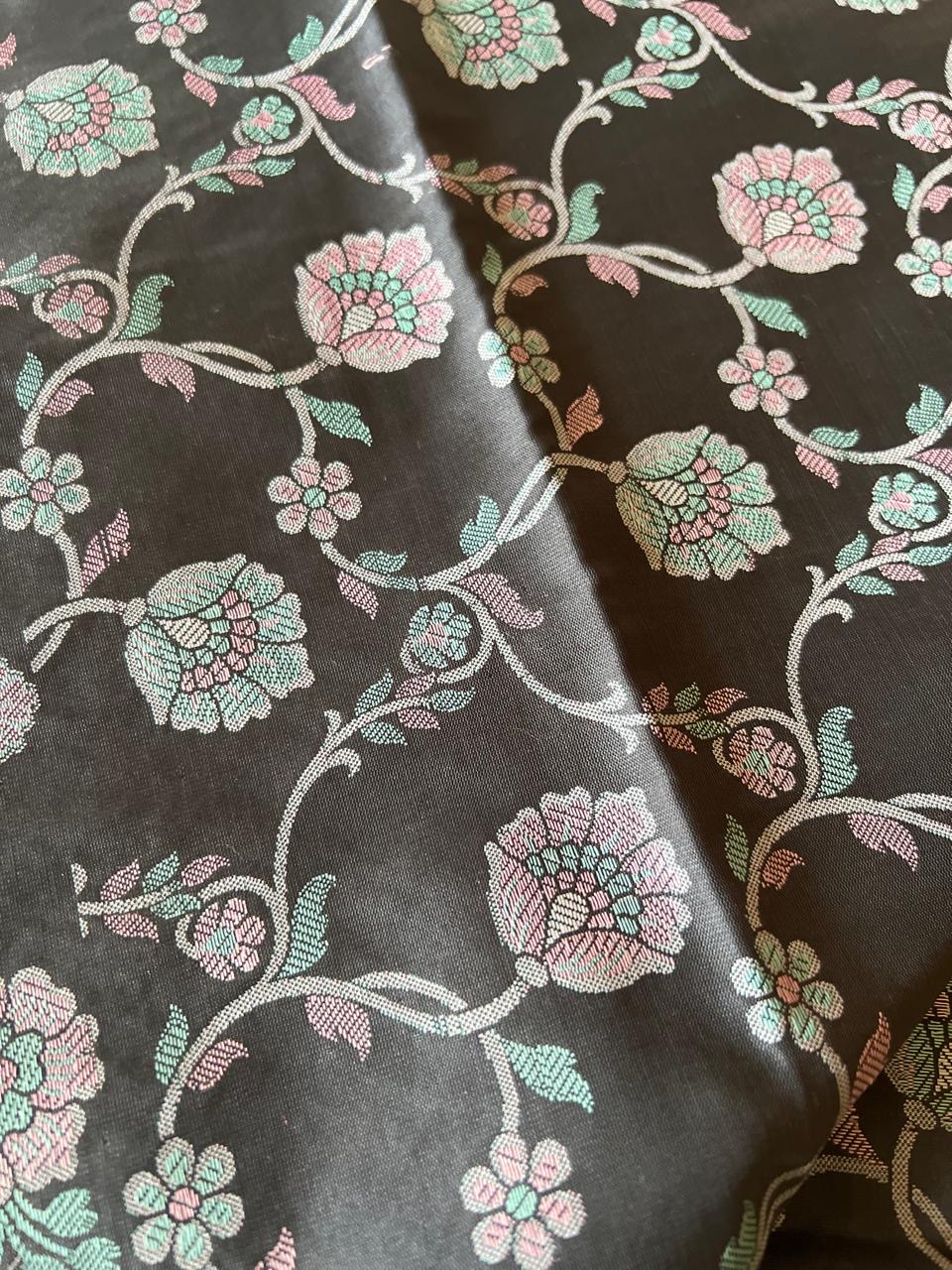
Himroo — from the Persian hum-ruh, “alike” — is Aurangabad’s descendant of the royal kum-khwab brocades: a cotton warp with a silk weft that floats over it, so flowers and vines seem to shimmer above the cloth. Once woven for the Nizams, it was one of the two founding weaves of Studio Nitara.
- Persian-influenced brocade
- Cotton warp, silk weft
- Floating floral jaal
- Deccan court heritage
Dolabedi
Nuapatna, Odisha
Woven for the swing of the gods.
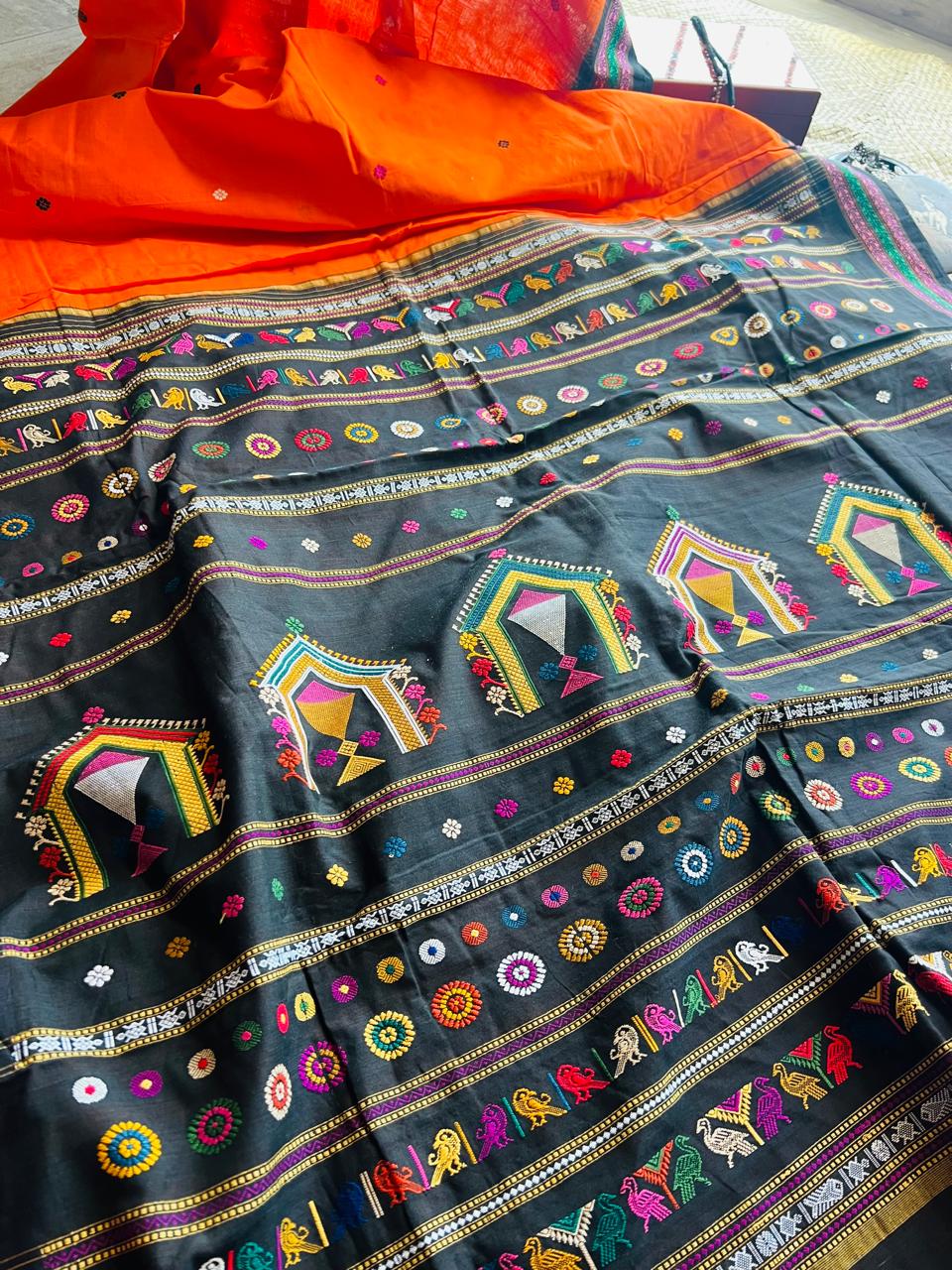
From the tie-and-dye looms of Nuapatna, Odisha, Dolabedi sarees take their name from the dolabedi — the altar-swing on which deities are rocked during the Dola Purnima festival. Temple spires, arches and processional rows of motifs march across the anchal in festival oranges and blacks.
- Festival weave
- Temple-spire motifs
- Nuapatna tie & dye
- Jagannath tradition
Dongria
Niyamgiri Hills, Odisha
The mountain cloth of the Dongria Kondh.
In the Niyamgiri hills, the Dongria Kondh embroider their kapdaganda cloth with rows of triangles — green for their sacred mountains, yellow for peace and turmeric, red for energy and life. Each cloth is a map of a worldview, stitched by the community’s young women and gifted as a token of love and respect.
- Kapdaganda cloth
- Triangle mountain motifs
- Tribal hand-embroidery
- Niyamgiri hills